
21 Music Industry Accounts I Actually Follow
Your feed is either making you better at this or quietly wasting your life. A working list of the industry voices worth the scroll, and what each one is actually good for.
There is no shortage of music-industry content. There is a severe shortage of music-industry content that's worth your attention.
Everyone has an opinion. Everyone has a strategy. Everyone has a secret to streams, fanbases, deals, virality, quitting the day job. Most of it is the same eight ideas being laundered through new faces.
But every so often you hit an account that stops the scroll. Someone says the thing that reorganizes how you think about your own career. Someone explains a mechanism you'd been faking an understanding of for years. Someone tells you that an assumption you've built decisions on is simply wrong.
Those are the accounts worth following. Everything else is ambient noise with a profile picture.
A feed is not entertainment. It's a curriculum you didn't realize you enrolled in.
So here's what's currently on our radar, and more importantly, what each one is actually for.
Management is the part of this business most artists don't bother understanding until they've already signed something they can't undo. What I take from an account like this isn't tactics. It's posture. Somebody has to be thinking about the calendar, the leverage, the relationships and the timing while you're thinking about the bridge. If that person doesn't exist yet, it's you. Learn the job before you outsource it.
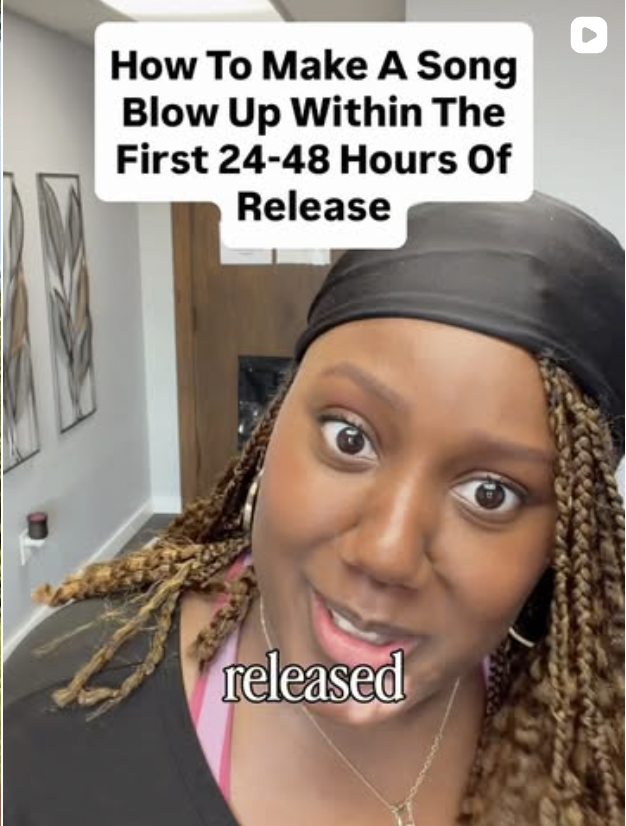
Jane Lee's whole value is that she doesn't flatter independent artists, and independent artists desperately need to be un-flattered. "Independent" has quietly come to mean "post more and hope." That's not independence, that's volunteering. Independence means you own the decisions, which means you're accountable for them. Her content treats you like an operator instead of a hobbyist, and that shift in framing is worth more than any hack.
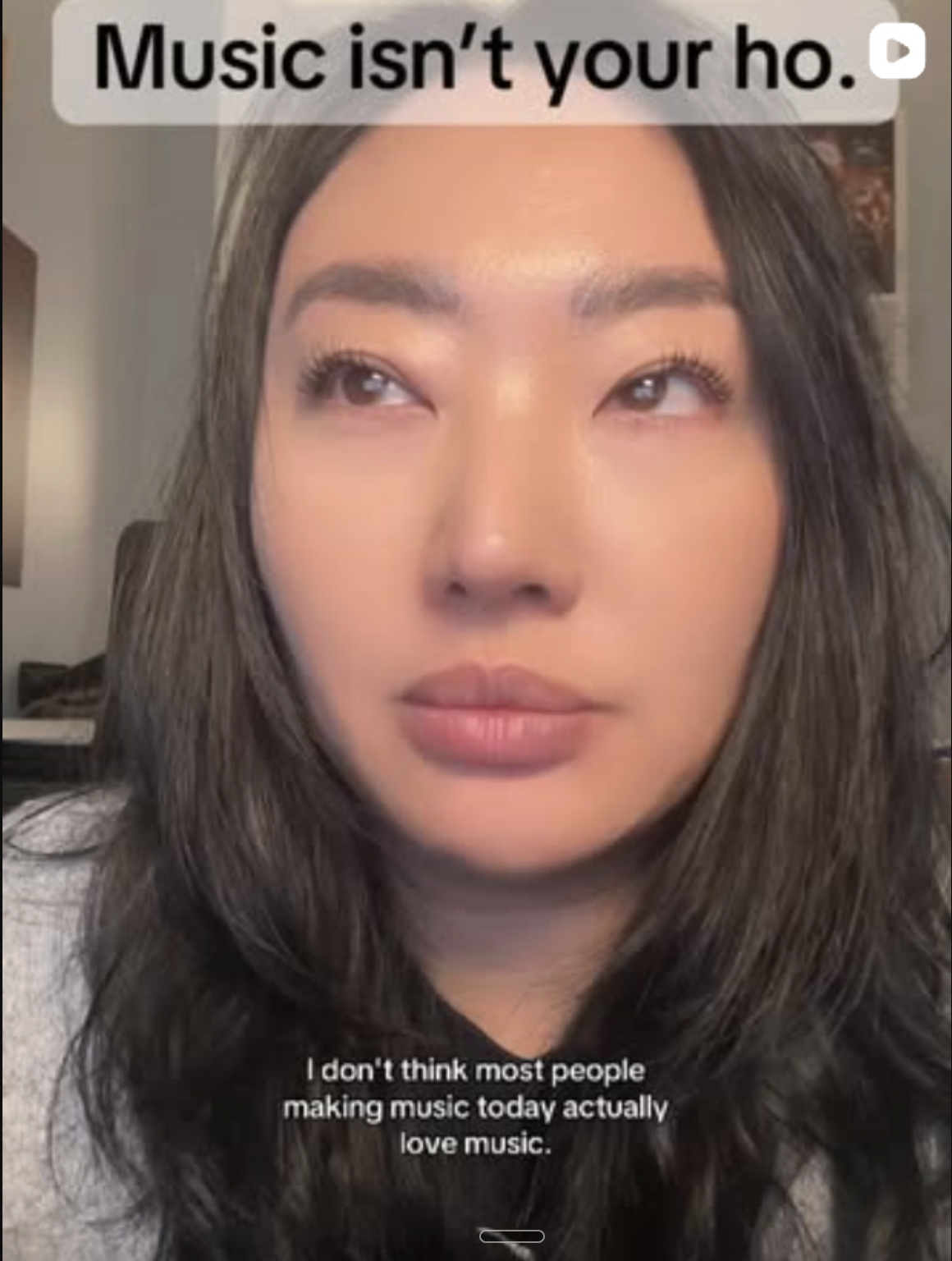
A producer who actually shows the work, and that's rarer than it should be. Most producer accounts are a feed of finished product: placements, credits, studio flexes. Useful for morale, useless for learning. Joel posts the part nobody else posts: the decisions, the dead ends, the version that didn't work and why. That's the curriculum. Watch somebody make the wrong choice, watch them correct it, and you just learned something no tutorial teaches.
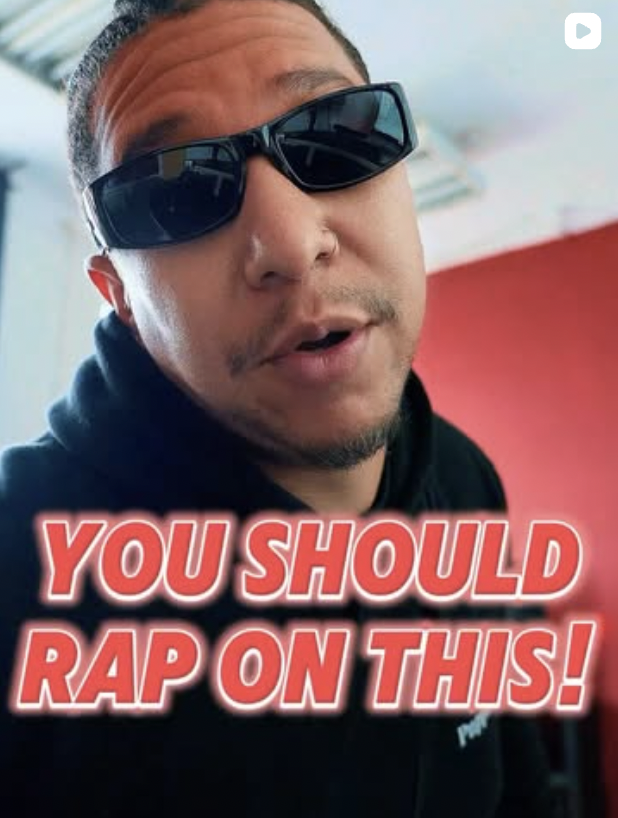
Same principle, different voice, and yes, you want more than one. Follow the people who talk about the boring parts. The boring parts decide who owns the record you stayed up until 4 a.m. finishing.
THE BUSINESS / CULTURE SIDE
One More Time has turned into a real room for conversations with people actually working inside the ecosystem. Independent artists, career development, the unglamorous middle of building something, including a recent sit-down with Jane Lee on what independents are up against. And it's a reminder worth keeping: the best industry education usually isn't a tutorial. It's a conversation you weren't supposed to overhear.
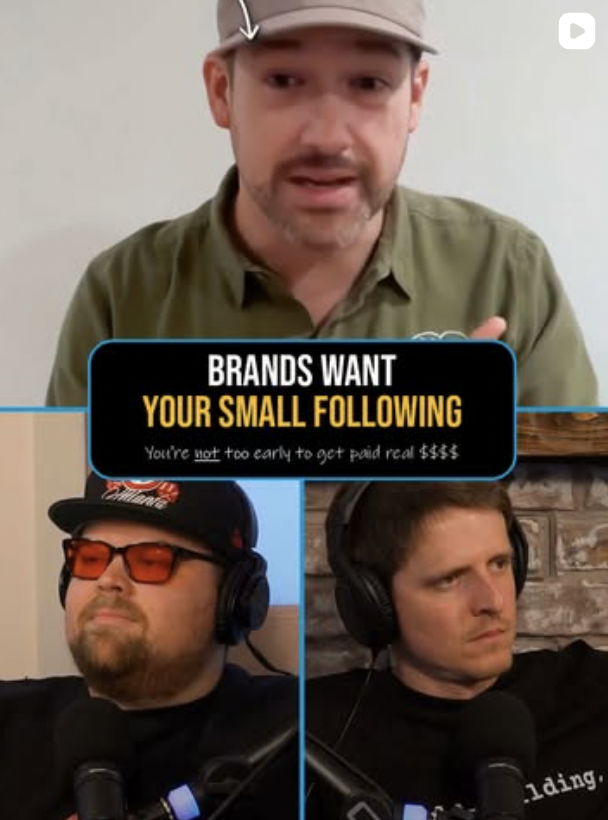
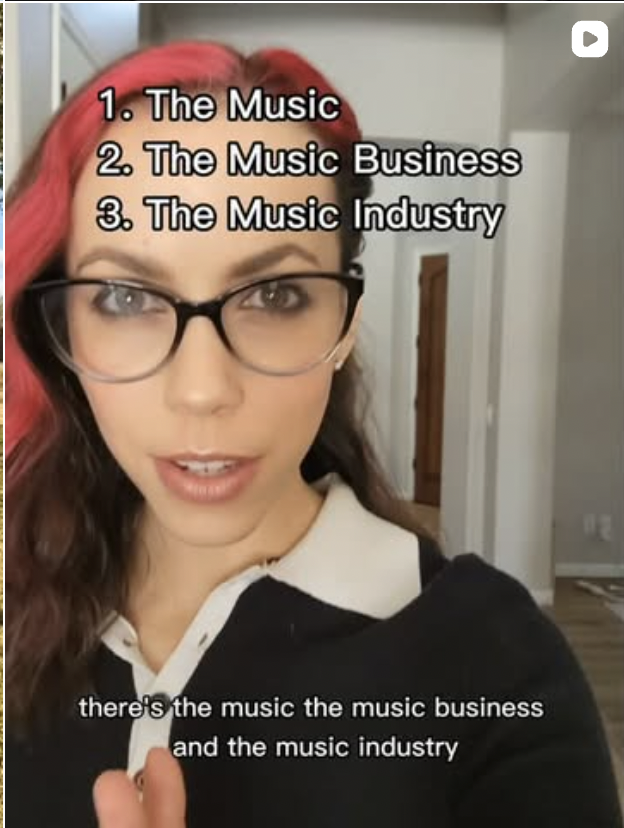
The reason I keep this one around is that it refuses to separate the music from the business underneath it. We've all watched somebody respond to a career problem by making another song. Sometimes that's right. Often the song was fine and the structure around it was broken. No distribution logic, no audience, no money math, no follow-up. You can't out-write a business problem.
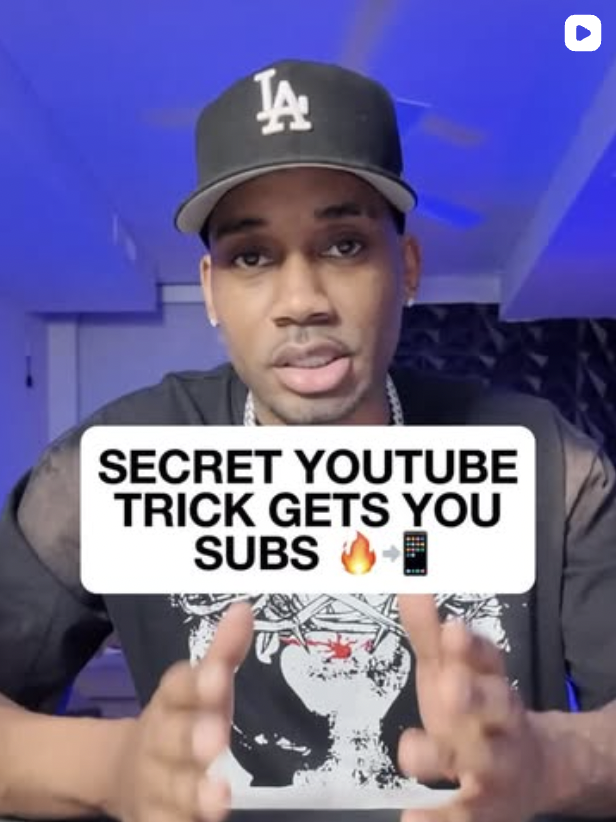
Useful for the same reason: it's about the decisions happening around an artist rather than the artist's highlight reel. Here's the reframe I'd push on every producer reading this. Don't only study artists, study the industry that produced them. The careers you admire were built by a series of unglamorous choices you never got to see.
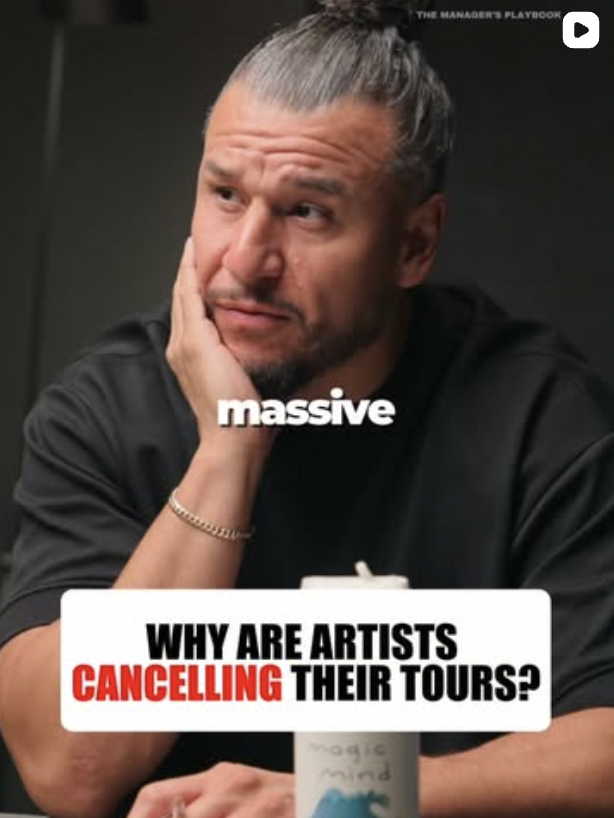
If you're independent and you don't know Jesse Cannon, you're paying for that gap somewhere. Marketing, fan growth, release strategy, the actual mechanics of building an audience. But the real service is myth demolition. He spends a lot of energy killing advice that independent artists repeat to each other because it sounds true. That's rarer than it should be, and it's the kind of thing that saves you from spending rent money on a playlist scam.
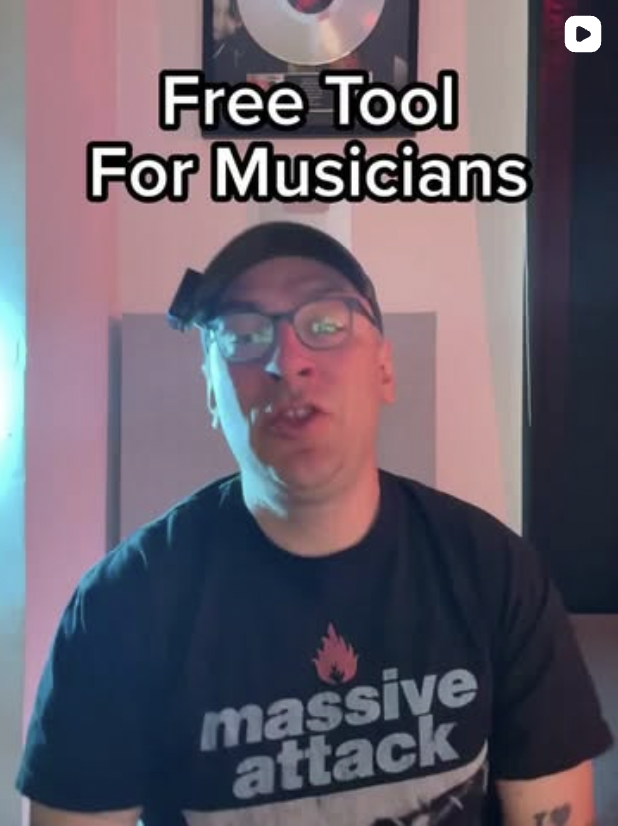
This one belongs on the short list of things you should simply understand. Rap Coalition, founded by Wendy Day, has spent decades on artist education, deal structure, ownership and leverage, long before it was a content category. Day's work has always started from the same premise: understand the business before you give away the thing you can never get back. You cannot protect what you don't understand. Every bad deal in this industry's history is a footnote to that sentence.
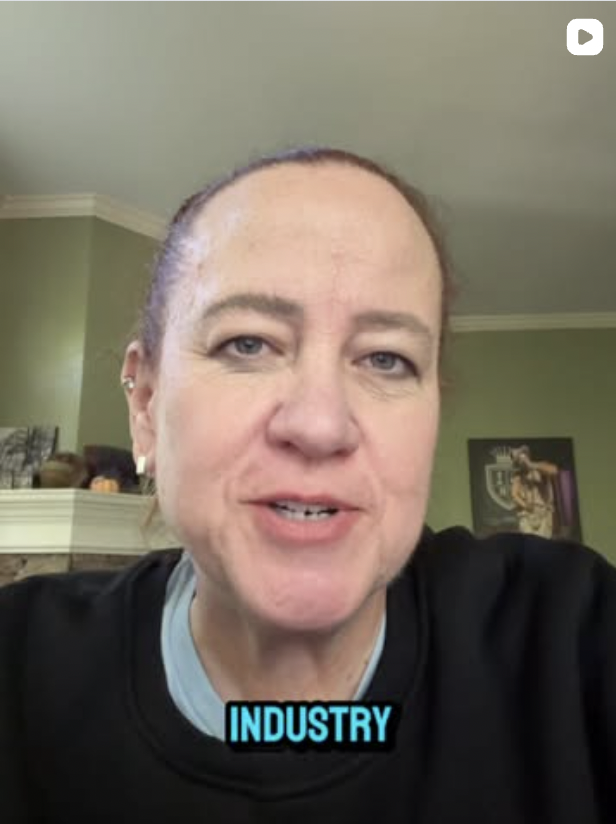
Music is a legal business wearing a creative costume. Contracts, rights, publishing, splits, ownership. You don't need a law degree. You need to stop nodding at language you don't understand. One attorney's perspective in your feed does more for your career than a thousand motivational posts, because it teaches you which questions to ask before you sign.
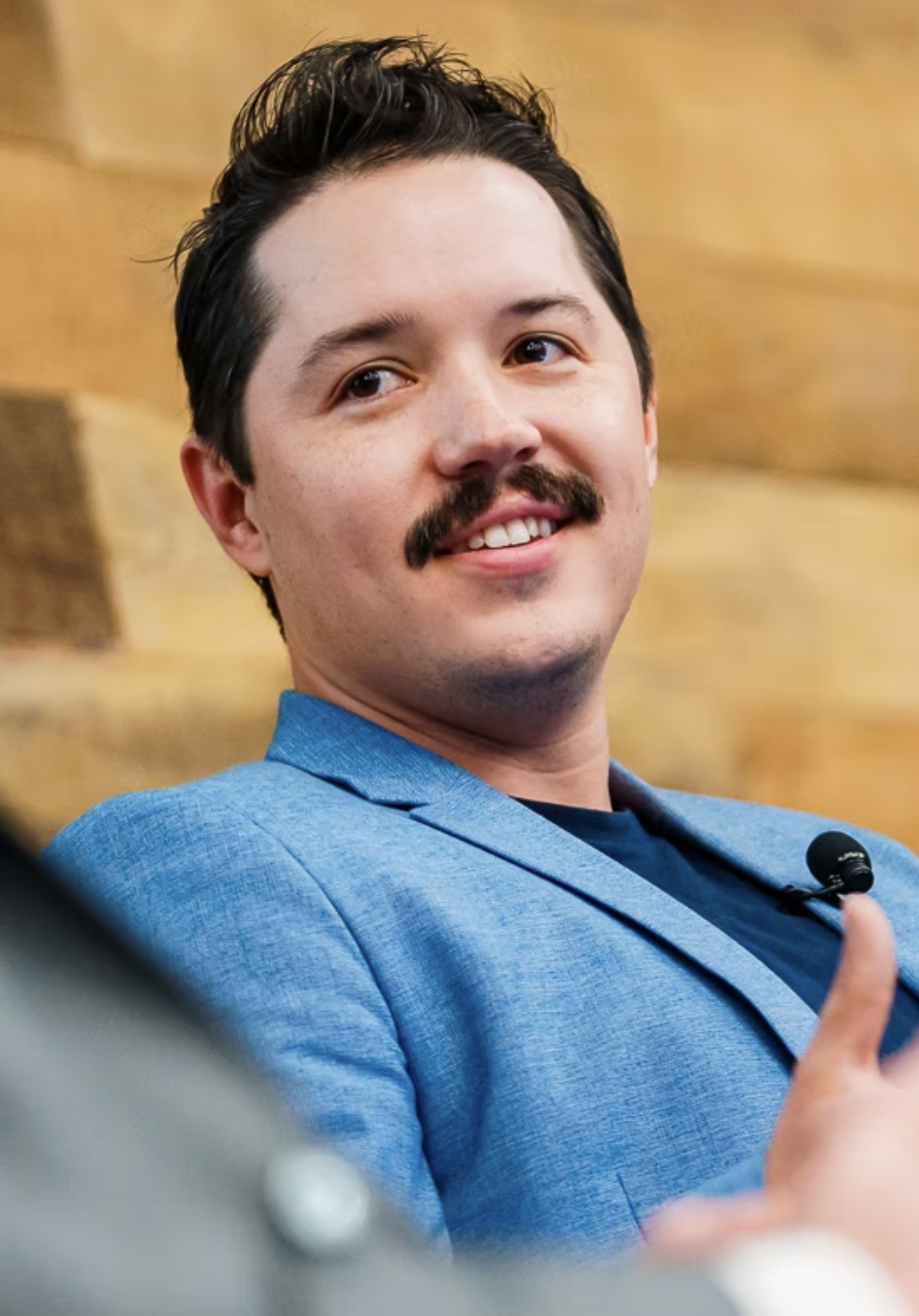
THE PRODUCER / CREATOR SIDE
There's a whole category of creator here that I value for one reason: the question they're answering. "How do I get famous?" produces garbage advice. "How does this actually work?" produces knowledge you can use next Tuesday. Follow the people asking the second question.
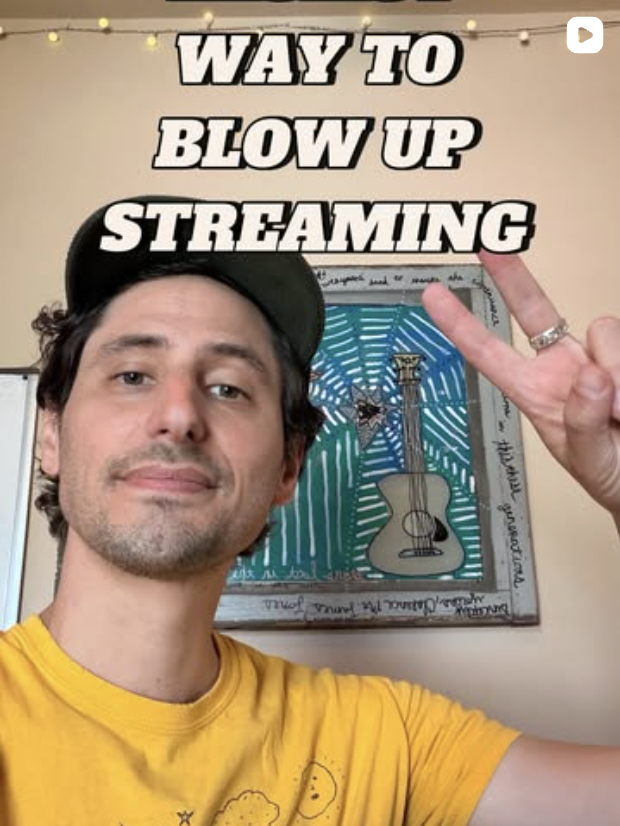
The independent movement changed the default answer to "who lets me do this?" Nobody. You build the audience, release the music, own the infrastructure, run the business. That's genuinely liberating and genuinely heavier than it sounds, because nobody is coming to save a project you won't push. Accounts built around that reality keep you honest.
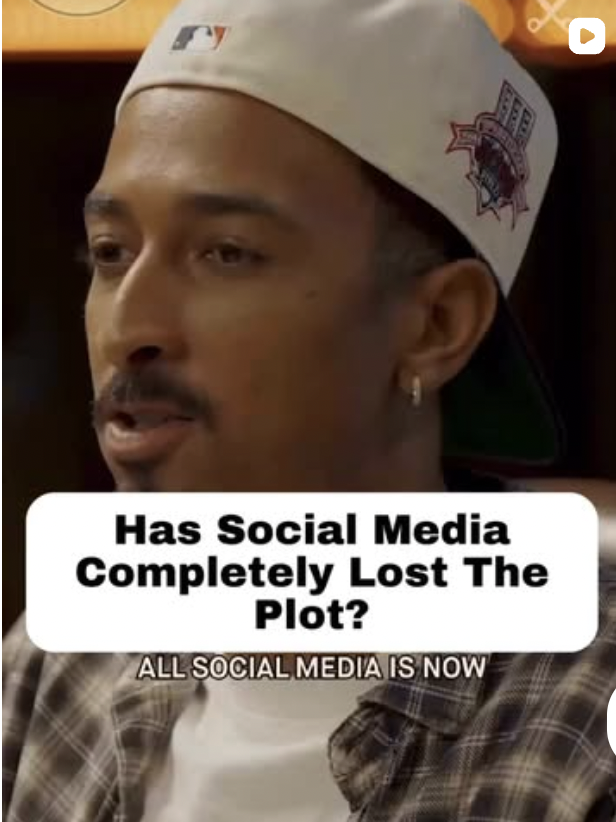
The name is the thesis, and it's a necessary corrective. The industry conversation gets so obsessed with marketing that it forgets there's supposed to be something worth marketing. Sometimes the most strategic thing you can do all week is close the analytics tab and finish the record.
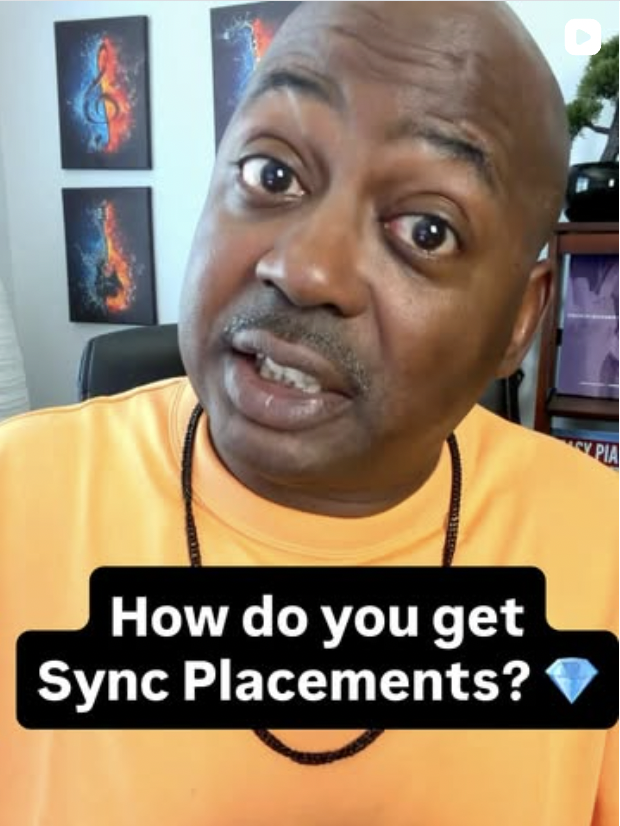
This is the rabbit hole I want every producer to fall into. Why does that hook stick? Why does that mix sound expensive? Why does one arrangement land twice as hard as another with the same chords? Take enough successful records apart and you stop believing in accidents. Great production is a series of decisions, and decisions can be learned.
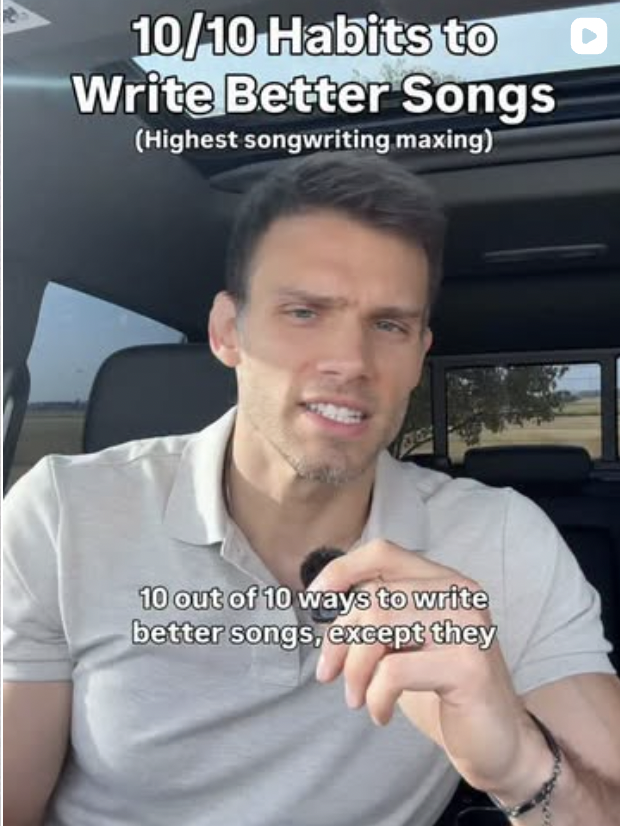
Producer accounts carry unusual weight because producers sit at the crossroads of music, technology, craft and commerce all at once. That vantage point is exactly what we're built around at FAMOUSPRODUCER.COM. The producer sees the record and the machinery.
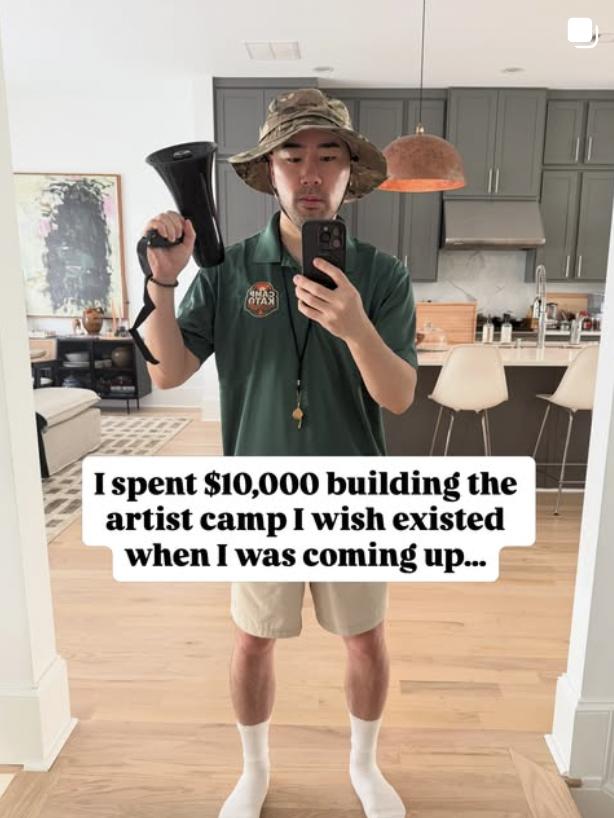
For artists ready to think past the next release. Eventually you have to answer the real question: what am I actually building? A career isn't a folder of Spotify links. It's an ecosystem. Audience, catalog, ownership, relationships, income that doesn't vanish when the algorithm moves on.
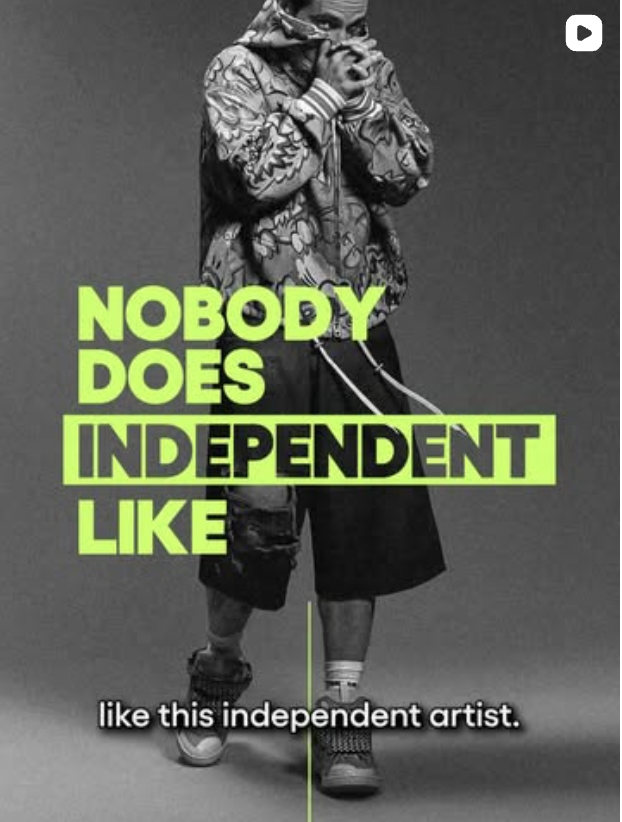
The business is digital, data-driven and tool-dependent, and the tools are not stable. The stack you're using today almost certainly isn't the stack you'll use in five years. Accounts tracking that shift keep you from becoming an expert in something that's already dying.
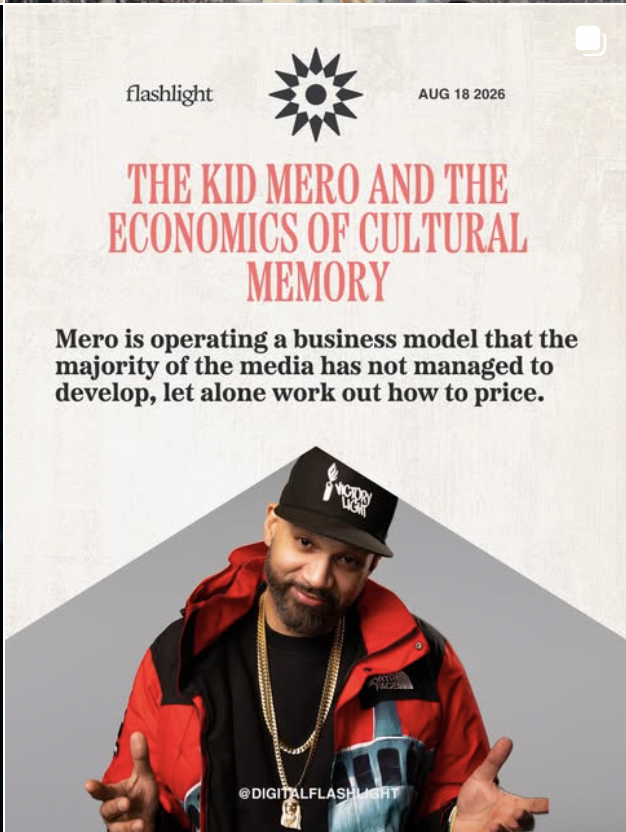
Another voice in the mix, and this is where curation earns its keep. You don't need to agree with everyone you follow. You need friction. A feed that only confirms what you already believe isn't education, it's decoration.
On the radar, and part of a deliberate spread. Follow enough different professionals and you stop mistaking one corner of the industry for the whole thing. Every bubble in this business feels like the center of it from the inside.
Then there's the culture around the industry, which is not a side dish. Contracts and stream counts are the skeleton. Culture is everything else: perception, storytelling, identity, who gets believed and why. Ignore it and you'll do everything right and still wonder why nobody cared.
We finish where it started, with the record. Perfect campaign, perfect release plan, perfect rollout. If the music isn't good, all of it is expensive scaffolding around nothing. That's why producers have to keep learning from producers.
THE REAL POINT
You don't need to follow every industry account on the internet. You need the right handful. The best feed isn't the one with the biggest names. It's the one that makes you smarter by Friday. One account teaches you marketing. One teaches you contracts. One teaches you management. One teaches you production. One argues with you. And one makes you want to close the app and open your DAW. That's a feed. Anything else is a slot machine.
If you're an artist, producer, engineer, manager, or just someone trying to work out how this business actually functions, build the education system yourself. Nobody is assigning you the reading. The information is sitting in public. The only real skill is knowing who's worth listening to.
FAMOUS PRODUCER'S TAKE
Stop using Instagram only to promote your music. Start using it to learn the business you're trying to survive in. Your feed is part of your education. Choose it like it costs you something, because it does.