● New Release/Afrobeats/St. Catharines, ON, Canada
MOON 34
"Imagine a sound that feels both familiar and brand-new at once."
Oct 30, 20264 min read
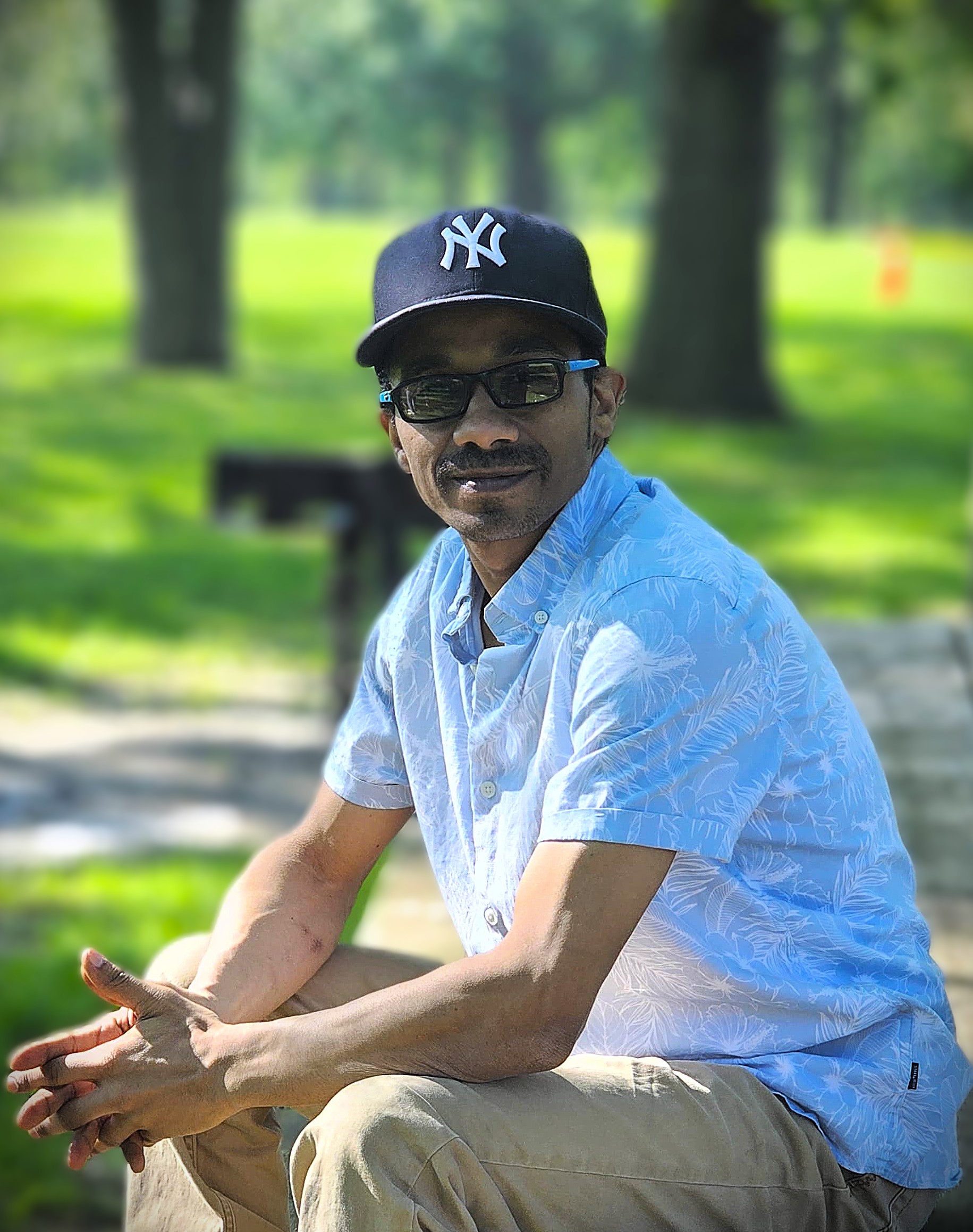
MOON 34 · St. Catharines, ON, Canada

Type at least 2 characters to search
"Imagine a sound that feels both familiar and brand-new at once."
MOON 34 · St. Catharines, ON, Canada
No vocals, no shortcuts: MOON 34 gave up the singer's voice to write for sync, and treats mixing as a long craft rather than a quick fix.
How would you describe your sound to someone who has never heard you before, and what makes it undeniably you?
Imagine a sound that feels both familiar and brand-new at once. It's the kind of music that wraps sweet, soaring Eastern melodies around the deep, thunderous pulse of Western drums, creating something that feels less like a fusion and more like a conversation between two worlds that were always meant to meet.
What's the story behind the music you're releasing right now? Where did it come from emotionally?
There isn't a dramatic origin story behind this music It came from a feeling into that Afrobeat pulse
Is there a lyric or line in your upcoming release that you're most proud of? What does it mean to you?
Since this release is entirely instrumental, there isn't a lyric I can point to. To me, that moment is the heart of the record. It says everything I wanted to say without words: that beauty doesn't always need to announce itself.
What do you want listeners to feel when they first press play, and what do you want them to feel when it ends?
When they first press play, I want them to feel the invitation, like the music is opening a door and saying, "Come with me." I simply want them to feel like they've been on a journey.
If your music were a place, what would it look like, smell like, feel like?
If my music were a place, it would be somewhere deep in West Africa at golden hour.
Do you make music better alone or with other people in the room?
It depends on the stag. In the beginning, when the idea is still forming, I work best alone. That's when I need the silence and the freedom to follow the feeling without explanation or interruption. The first draft is a private conversation between me and the music. But once the foundation is there, I'm open to collaboration. Fresh ears and other perspectives can reveal things I can't hear anymore.
For those releasing for the first time: what took the longest, making the music, or getting the courage to put it out? For those releasing again, have you developed a template or process that makes the process easier?
For me, it wasn't simply a matter of courage. The music itself took the longest because several quiet barriers kept getting in the way. First was timing. An idea can live perfectly in your head for months, but the right window to actually sit down and finish it doesn't always appear when you want it to. That gap between the mental concept and the finished piece can stretch far longer than expected. Then came the technical side. I spent a long time chasing a standard I felt proud of in the mixing and mastering stages. Until the sound felt complete, I simply couldn't let it go. And finally, the practical realities of intellectual property clearing rights, understanding ownership, making sure everything was properly protected added another layer of delay. So while courage is always part of the equation, the real time was spent closing the distance between the idea and a release that felt ready.
What's something you sacrificed to get to this release?
Simply put, the singer's voice. I made a deliberate choice to let the music exist without it. No lyrics, no vocal presence, just the instruments carrying the entire weight of the emotion. It was a sacrifice of one kind of expression in order to protect another.
Are you registered with a performance rights organization, and are you collecting royalties internationally? If not, what's stopping you?
To some extent, yes but not in the traditional performance rights sense just yet. Right now I'm more focused on the sync side of the industry. I've joined platforms designed for composers, where I can practice writing to brief, receive written feedback, and get tracks into catalogs that actively pitch music to brands, film, and games. There are different levels: open practice briefs anyone can write to for the reps, catalog briefs from music houses looking for specific tracks, and paid client briefs that open up once you're a verified composer. So while full international royalty collection through a performance rights organization is still something I'm building toward, my energy at the moment is going into placing the music where it can actually be heard and used.
If you could only keep one, your voice, your instrument, or your lyrics, which one and why?
If I could only keep one, it would be my instrument, without question. Everything else is secondary. The instrument is the place where the music actually lives.
What do you listen to when you're not listening to music?
When I'm not listening to music, I listen to the words of the Creator in the Holy Quran.
What's one thing you know now that would have saved you a year of your career if you'd known it on day one?
The biggest thing I wish I'd known on day one is that there's no secret formula for fixing a mix in seven minutes with five easy steps. Mixing and especially understanding how it connects to mastering is a long, patient craft. It's not about shortcuts or magic presets. It's about building real knowledge and then applying it, track by track, with intention. The more you understand the entire signal chain and how every decision affects the final master, the less time you waste chasing quick fixes that never actually work. If I'd accepted that earlier, I would have saved myself a full year of frustration.
"My sound is cinematic and intentional."
"I make electronic music because I love how it makes me feel."