● Debut Artist/R&B / Soul/Marana, Arizona
Pierre Dees
"Where classic soul meets a neo-soul groove."
Oct 30, 20264 min read
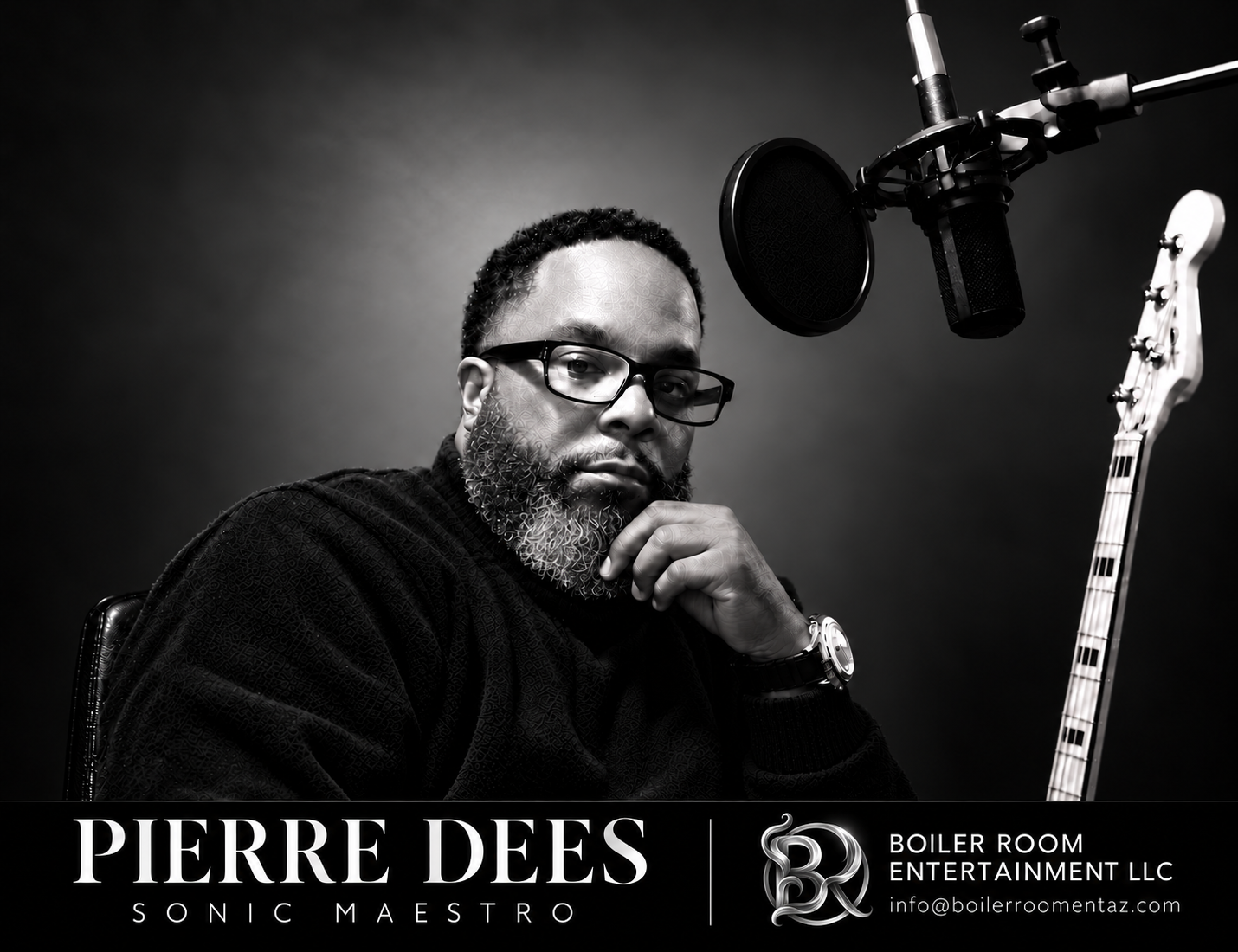
Pierre Dees · Marana, Arizona

Type at least 2 characters to search
"Where classic soul meets a neo-soul groove."
Pierre Dees · Marana, Arizona
Written in 1997 and rebuilt for this release: Pierre Dees keeps the heart of Secret Hideaway and gives it a neo-soul bop, a jazzier vocal approach, and a record made entirely in-house under the name Sonic Maestro.
How would you describe your sound to someone who has never heard you before, and what makes it undeniably you?
My sound is rooted in R&B and soul, shaped by classic soul and the vocal richness of '90s R&B. With Secret Hideaway, I've brought that foundation into a neo-soul groove and explored a jazzier feel in the vocals and instrumentation. I want you to hear where I come from and where I'm going. I do everything in-house, bringing my range of skills into the record; that's the background to the name Sonic Maestro. What makes it personal is how those influences come through my own growth and musical choices.
What's the story behind the music you're releasing right now? Where did it come from emotionally?
I wrote Secret Hideaway in 1997. The inspiration came from seeing wonderful women being mistreated by the men in their lives. I imagined being able to take a woman away from that situation and offer her somewhere she could feel cared for. That fantasy became the heart of the song. Coming back to it now, I wanted the music to reflect who I am today. I took its original '90s R&B feel and gave it more of a neo-soul bop, with a jazzier approach to the vocals and instrumentation. The emotion is still there, but the sound has grown with me.
What do you want listeners to feel when they first press play, and what do you want them to feel when it ends?
When someone presses play, I want to give them a reason to lean in: a feeling, a groove, or a musical detail that makes them curious. By the end, I hope they feel connected enough to come back and discover something else. I love the thought of a song becoming part of somebody's own life, where they hear it again and remember a person, a place, or a moment.
What genre do you officially claim, and what genre do you secretly belong to?
R&B and soul are home for me, and I'm enjoying exploring more of a neo-soul feel. Secret Hideaway began as a very '90s R&B song. For this version, I wanted a different kind of movement and a jazzier touch in the vocals and instrumentation. I still love the music that shaped me, and I want to keep finding new ways to express it as I grow.
What's your creative process like? Do you write from life, from imagination, or somewhere in between?
Secret Hideaway is a good example of life and imagination meeting. Seeing women being treated badly sparked a real emotional response; the song grew from imagining that I could take someone away from that situation. I wrote it in 1997, and revisiting it gave me another creative challenge: how to keep that feeling while letting the arrangement reflect the artist I've become. I do everything in-house, so I can explore those choices across the song and its sound.
Was there a specific moment, song, or artist that made you think, "I need to make music"?
It was a whole collection of artists who helped start me out. Michael Jackson and Prince showed how much individuality an artist could bring to music. Lenny Williams, the Spinners, and the O'Jays are part of my soul foundation. Then came Boyz II Men, Mint Condition, Jodeci, and so many of the '90s R&B groups. I heard different ways to put emotion and personality into a record. Those influences gave me a foundation for developing my own voice.
What's something people would never guess about you just from listening to your music?
People may be surprised that I do everything in-house. They hear the finished record, but behind it are the different skills and decisions that bring the sound together. That's where Sonic Maestro comes in. I see the name as a responsibility to keep developing my craft. It's encouraging when people tell me they're impressed by the sound, especially knowing how much personal work goes into it.
What's the best advice you can give another artist hesitant on releasing their music for the first time?
Give the music your care, then give people a chance to hear it. There is always something else you could adjust, especially when you do the work yourself. Learn your craft and make something you can stand behind, but leave room to grow through releasing it. Someone out there may connect with the very thing that makes your sound different.
Who are you making this music for? Is there a specific person, version of yourself, or community you had in mind?
I'm making music for people who love R&B and soul and want to hear an artist's personality in the record. Some will recognize the traditions that influenced me; others may be discovering that kind of feeling for the first time. I want both to feel welcome. If you enjoy finding a song you can settle into and return to, I'd love for you to spend some time with my music.
What does success look like to you, not in the industry's eyes, but in yours?
Success is when the work reaches someone and gives them a reason to keep listening. People have been telling me they're impressed by my sound, and that encouragement means a lot. I want to turn that first impression into a lasting connection: listeners who look forward to the next release because they hear something in my music that speaks to them. Being proud of what I create matters to me, too.
In five years, what do you hope people say when your name comes up?
I hope people say, 'Pierre Dees has a sound of his own, and you can hear the care in it.' I'd love Sonic Maestro to bring to mind someone who kept learning, used his skills thoughtfully, and made records people wanted to live with. Having listeners return to songs years later would mean a great deal to me.
How would you breakdown your song so that it resonates with your fans?
I would start with the feeling behind the song: seeing someone who deserves care and imagining a place away from the way she's being treated. Then I'd invite listeners into the music. The song carries its '90s R&B roots, but I've given it a neo-soul bop and a jazzier approach to the vocals and instrumentation. To me, those two layers belong together: the emotion that made me write it in 1997 and the musical growth I can bring to it today.
Is there anything else you would like to share about yourself, music, or band?
I'm Pierre Dees, an R&B and soul artist based in Marana, Arizona. Secret Hideaway is a song I first wrote in 1997, and bringing it into this release has let me hear my own growth. I'm approaching the vocals and instrumentation differently, finding a neo-soul feel, and continuing to develop my sound. I do everything in-house, and I'm grateful that people are responding to the work. If you're discovering me for the first time, I hope you'll hear an artist who loves his roots and is still growing.
"This song is for all of the people pleasers, perfectionists, and second-guessers."
"Whatever they want, with a groove that cannot be sad."